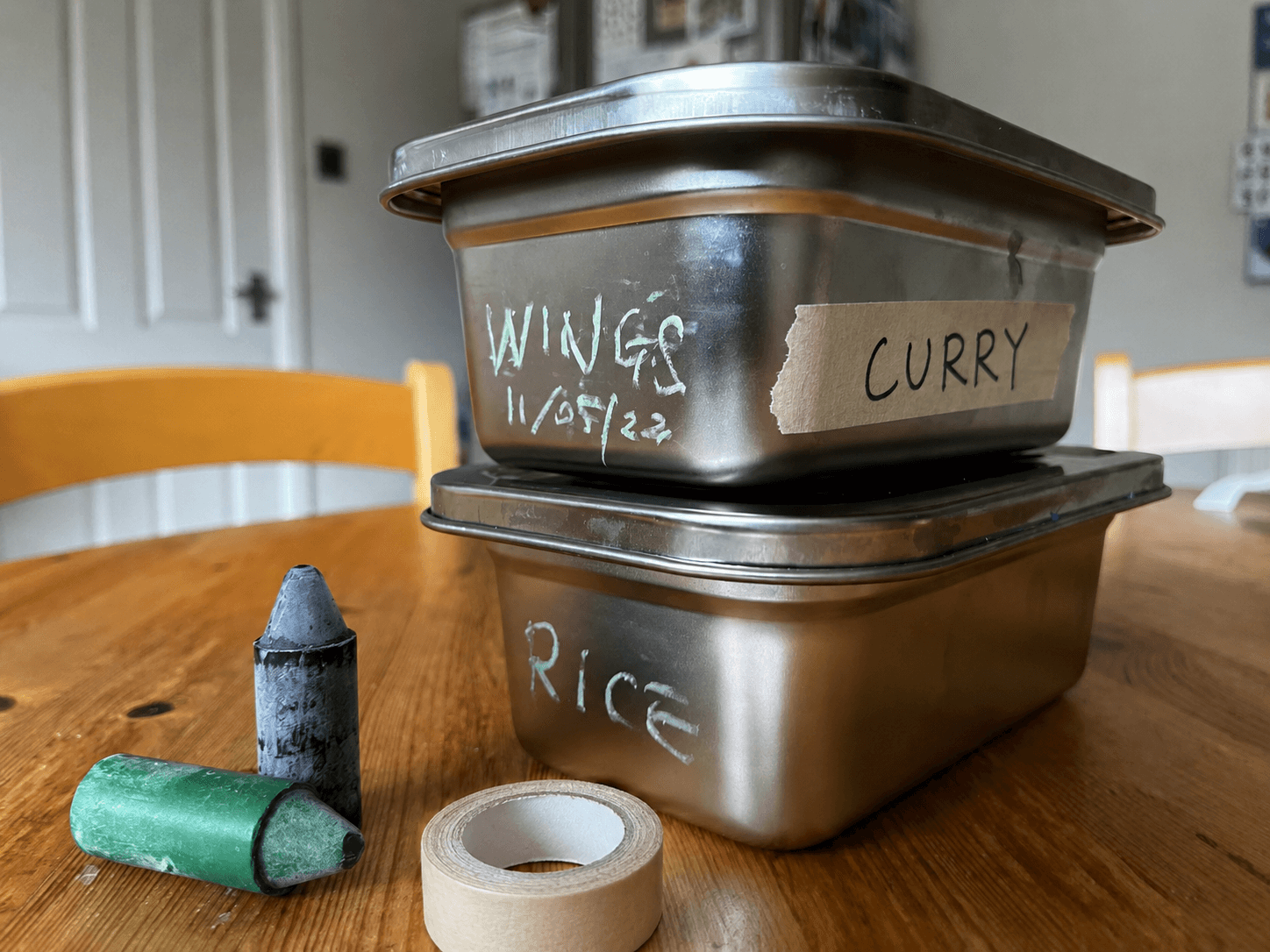
The soft ring is the part pressed closest to dinner.

The steel container where the lid is steel too.
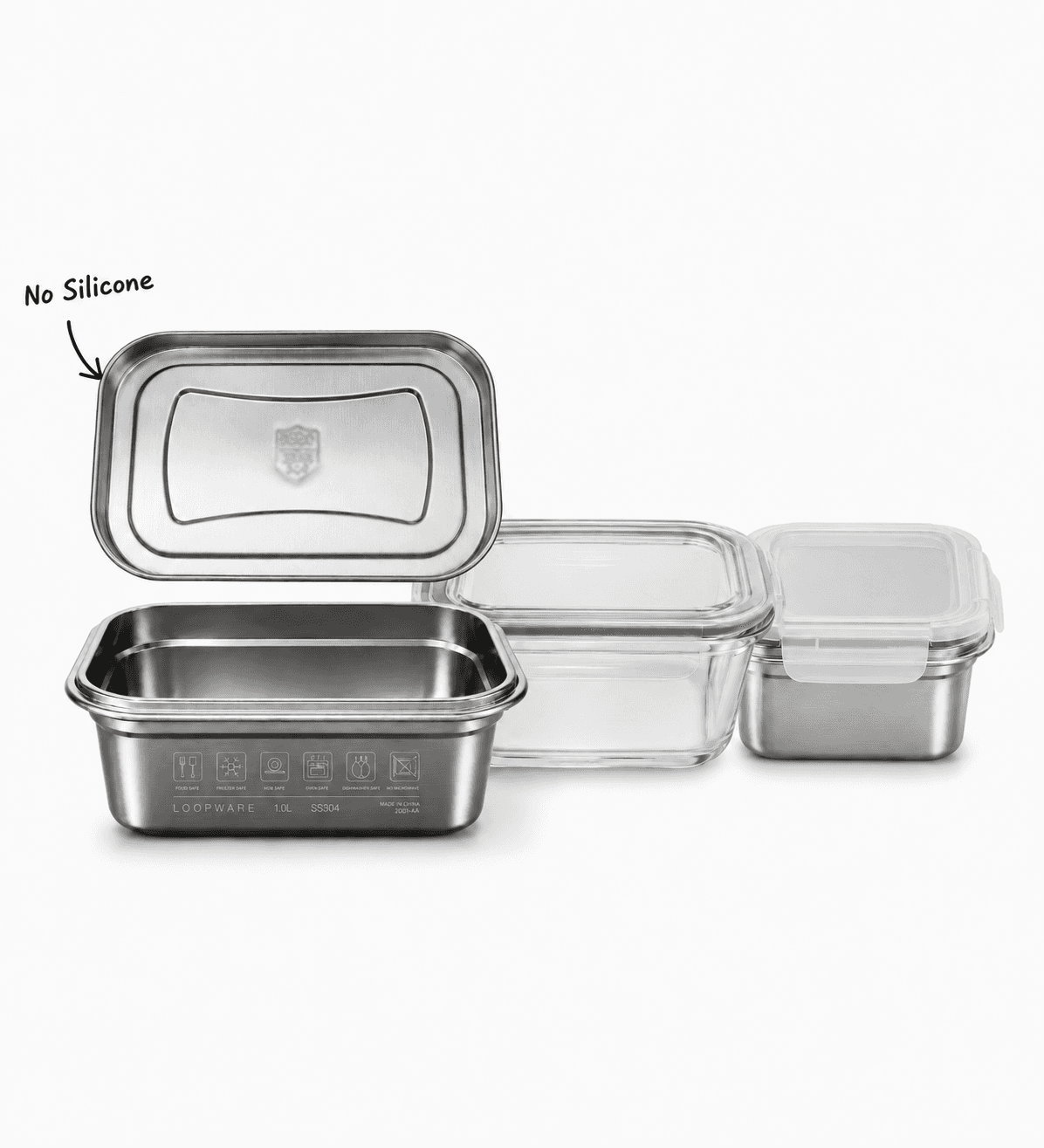
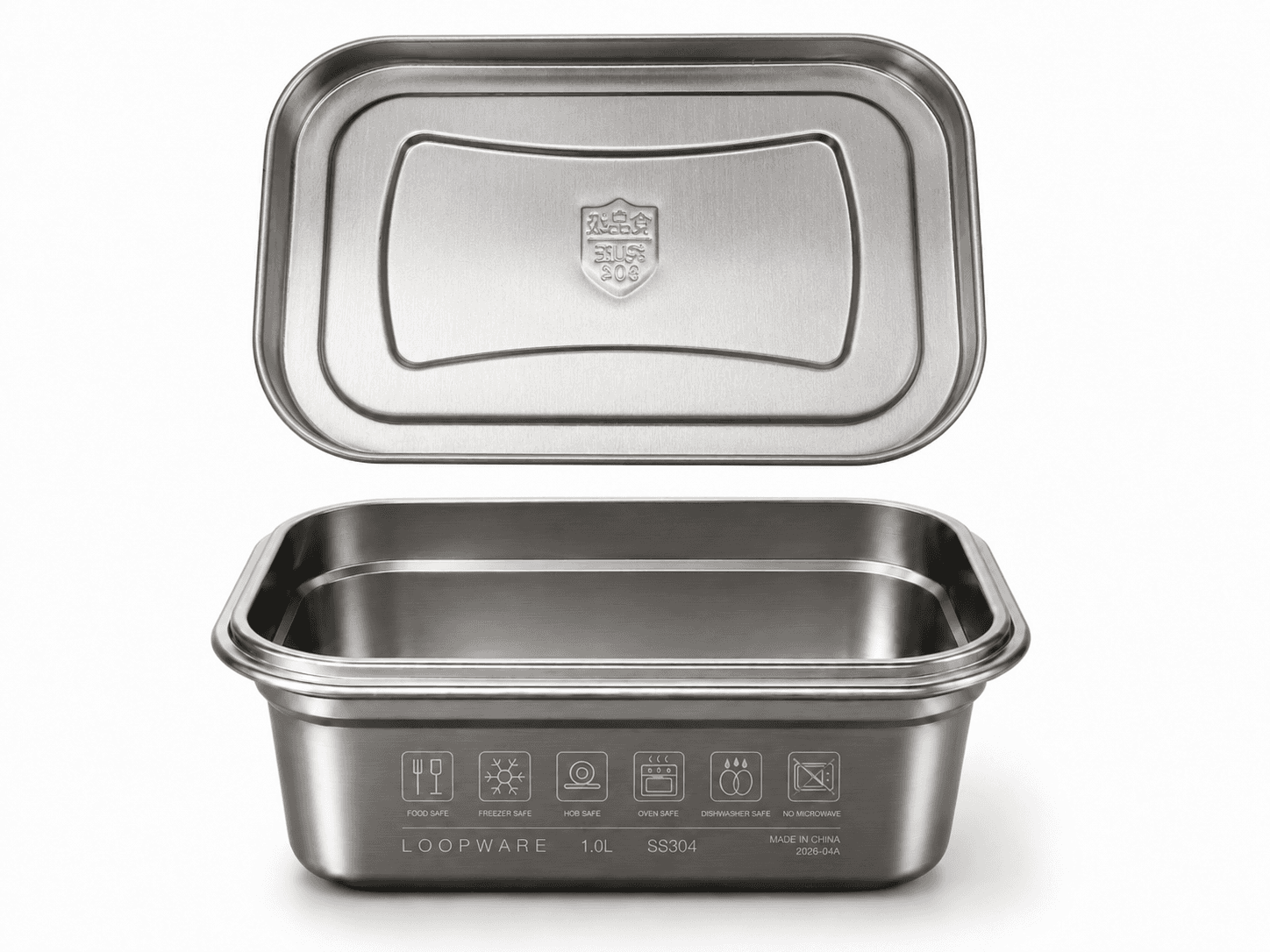
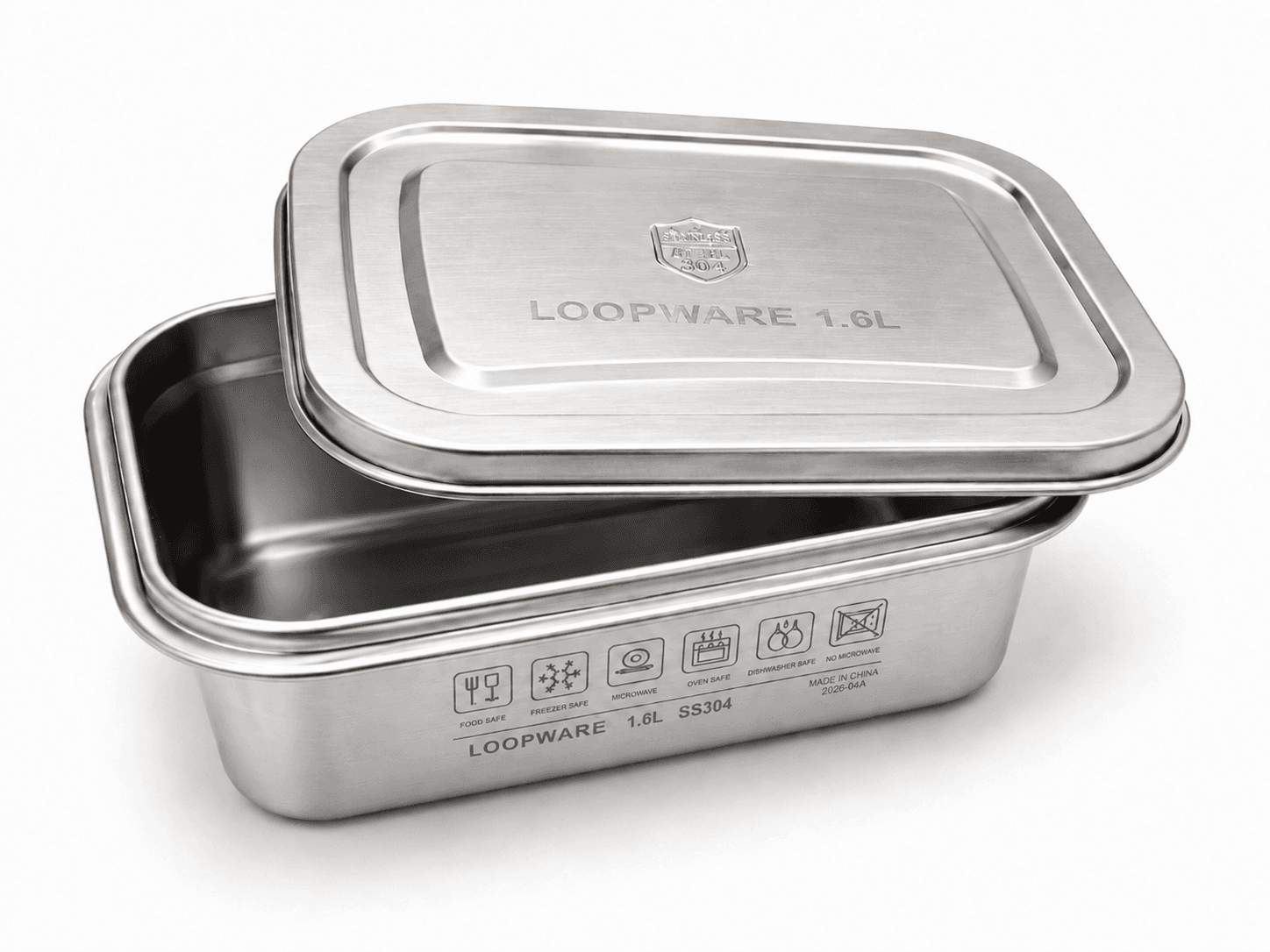
Loopware makes one thing, and makes it properly: a stainless steel food container where the lid is stainless steel too. No silicone ring. No plastic clip. No glass panel trimmed in rubber. Solid 304, all the way to the part that sits on your dinner.
It should already exist. Enough people had asked for it that we assumed someone had built it. No one had. So we did. Reserve one now, from the first batch, with a fully refundable £5 deposit.
Starting atfrom £23.99
Reserve with £5The Kitchen Problem
What we were never told about silicone.
For years, silicone has been sold to us as the safe one. It is the upgrade you reach for once you have decided plastic is not good enough: the soft, "food-grade," reassuring material in the lid of every better container.
What nobody sat us down and said is this: food-grade is a promise, not proof anyone handed you. Silicone is synthetic, it presses against your food, it meets heat every time you reheat dinner, and it is not inert.
Reheating is exactly when material behaviour matters.
No household kerbside route makes silicone simple to recycle.
We are not here to tell you silicone will harm you. We are here because you were sold certainty about two things you never got to check: what it does against your food while you use it, and where it goes after you are done.
The part nobody checks
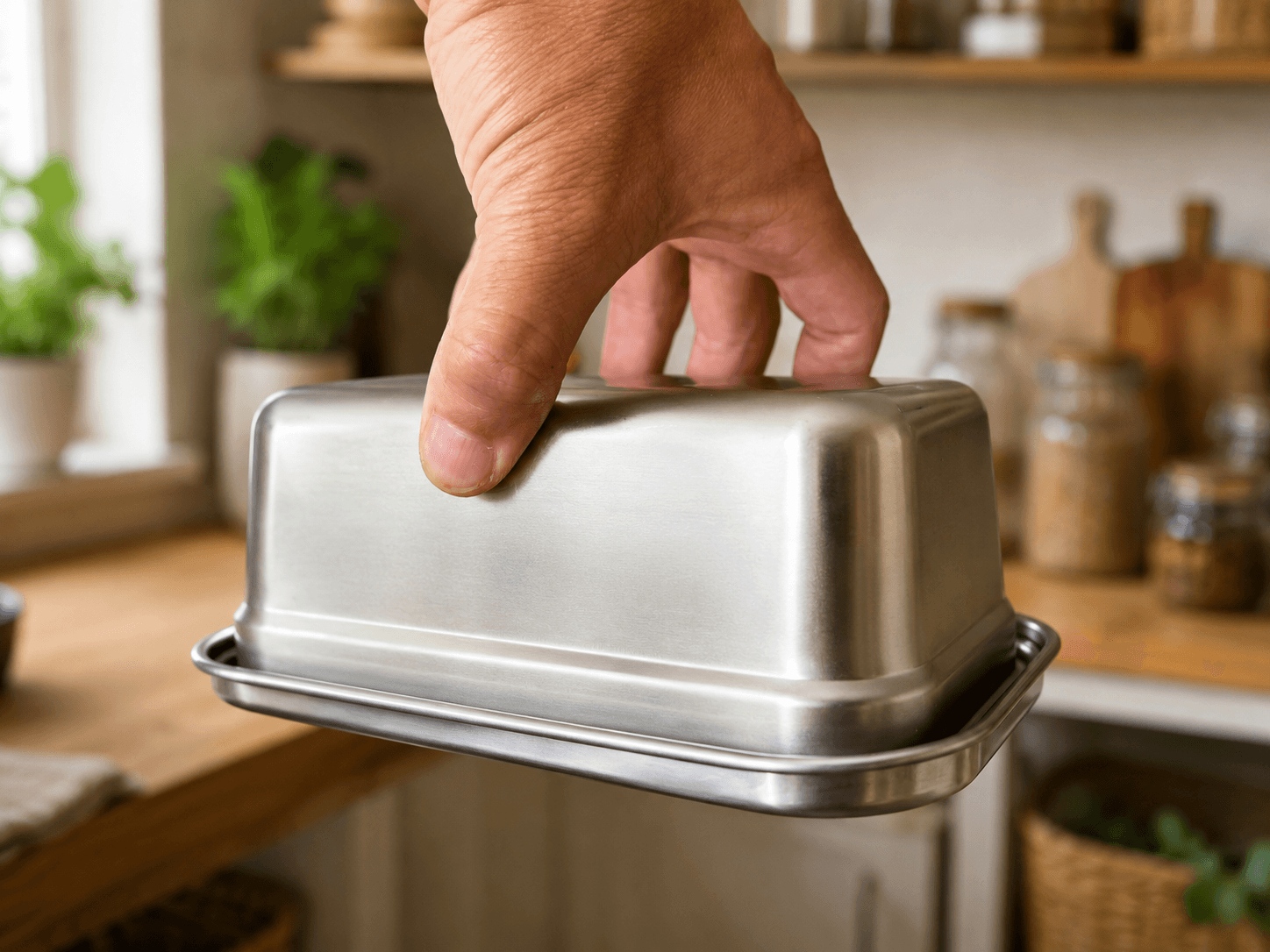
Turn the lid over.
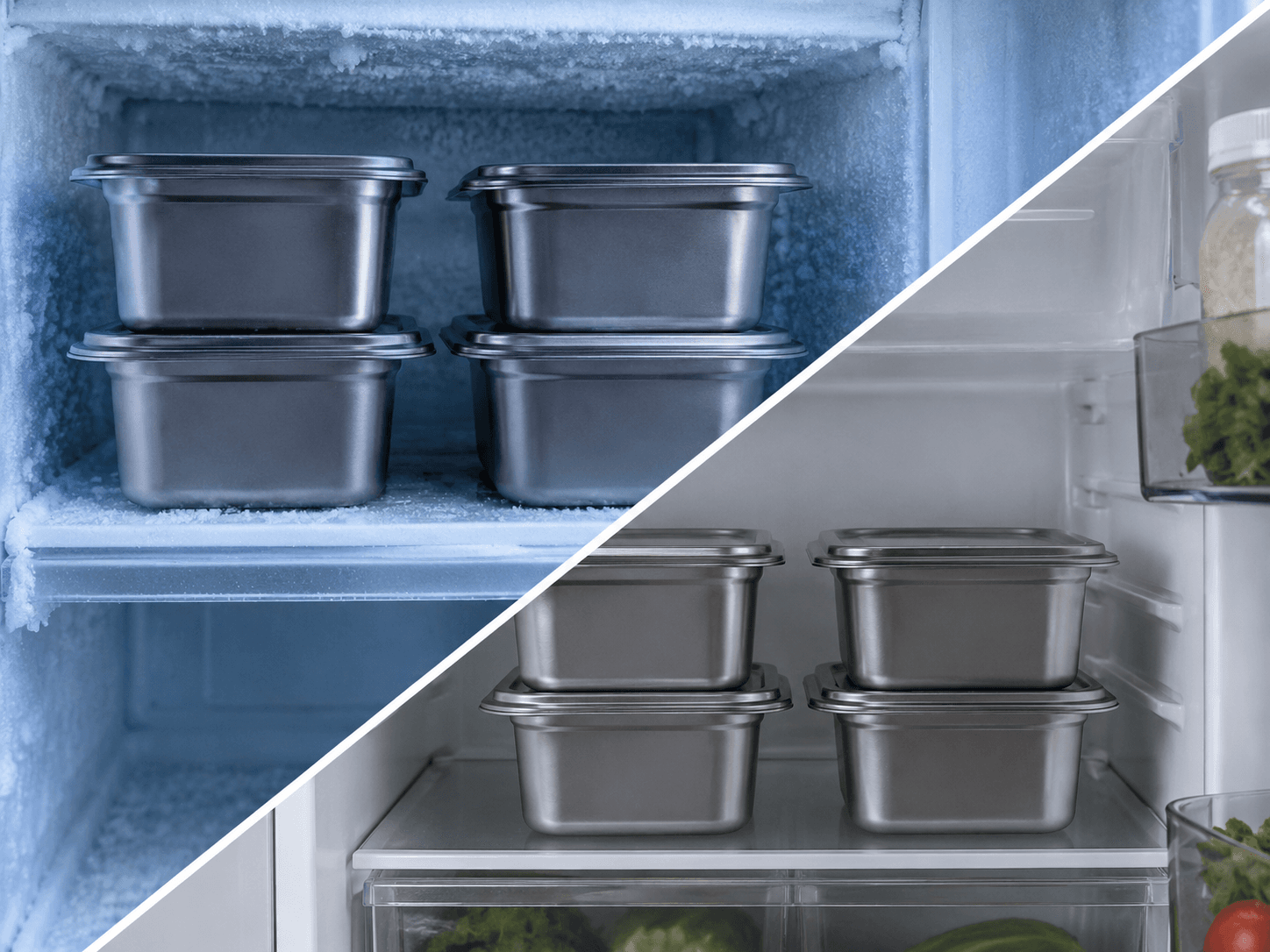
Here is how it usually goes. You batch-cook on a Sunday, fill a few containers, stack them in the fridge and freezer, and reheat through the week. At some point you moved off flexible plastic tubs onto "stainless steel": the better option.
Turn one over. Set into the underside of nearly every "stainless steel" container in the UK is a soft ring: silicone, usually; sometimes a plastic clip frame; sometimes a glass panel with a rubber gasket round the rim.

Why it exists
You asked for it.
This container started on the Magic Wand, the place on YAN where readers tell us what ought to exist but does not. Silicone kept coming up. The gap people kept describing was the same one we had hit ourselves: a food container with nothing synthetic touching the food, lid included.
Everyone agreed it should exist. When we went to find it, every container we checked still used a silicone gasket, a plastic clip, or a glass-and-rubber lid. Not one was steel where it counts.
So we built it under Loopware, because Loopware exists to make things from a single material you can recycle forever, and a container is a good place to prove it can be done.
What you are actually getting
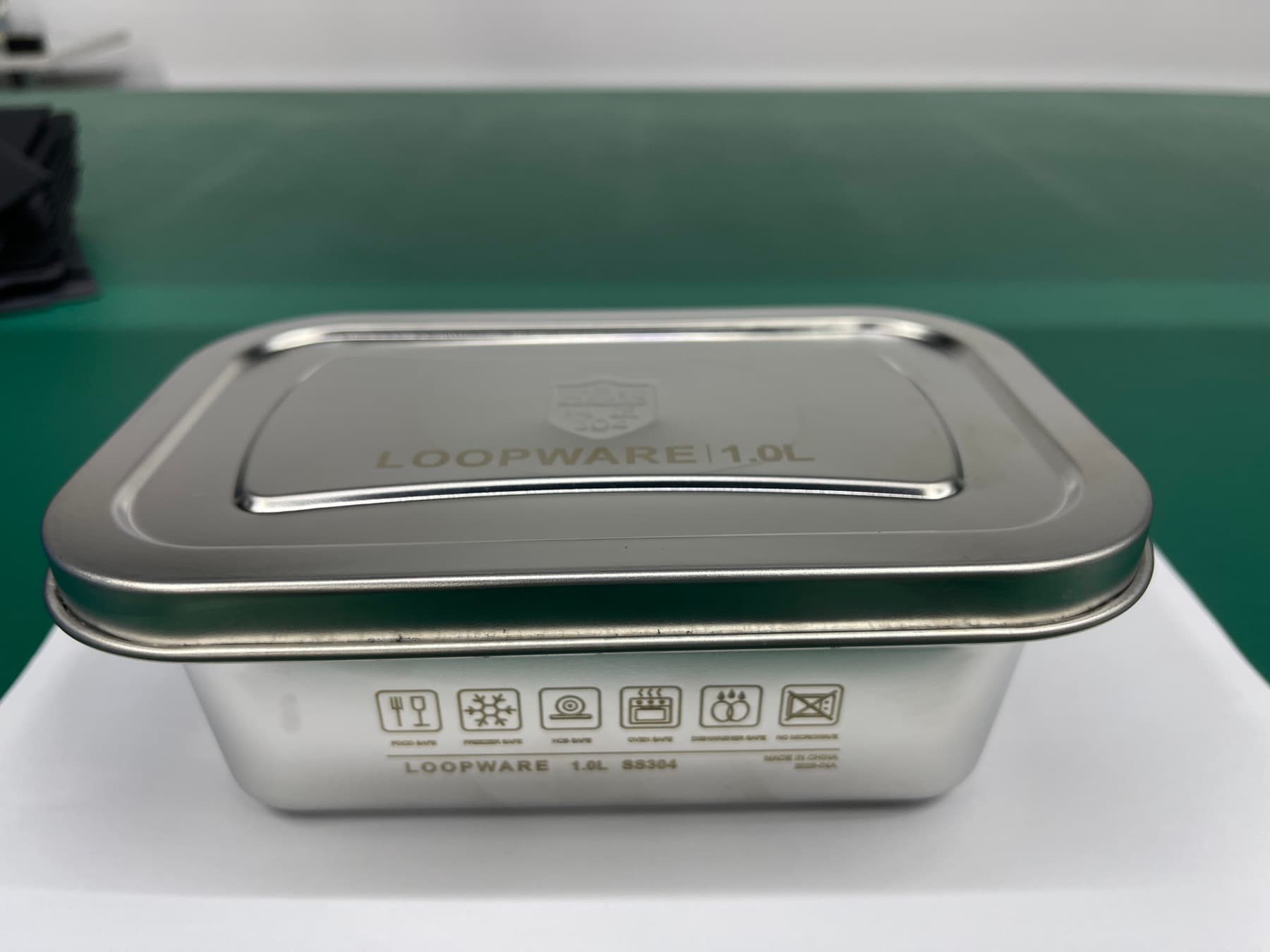
The lid is solid 304 stainless steel.
The lid closes by friction: it presses onto a matched rim and grips, metal on metal. No silicone. No plastic. No coating anywhere it touches food. When you fill it with something hot, the only thing your dinner ever meets is steel.
- 304 stainless steel body.
- 304 stainless steel friction-fit lid.
- No silicone ring, plastic clip, coating, or glass panel.
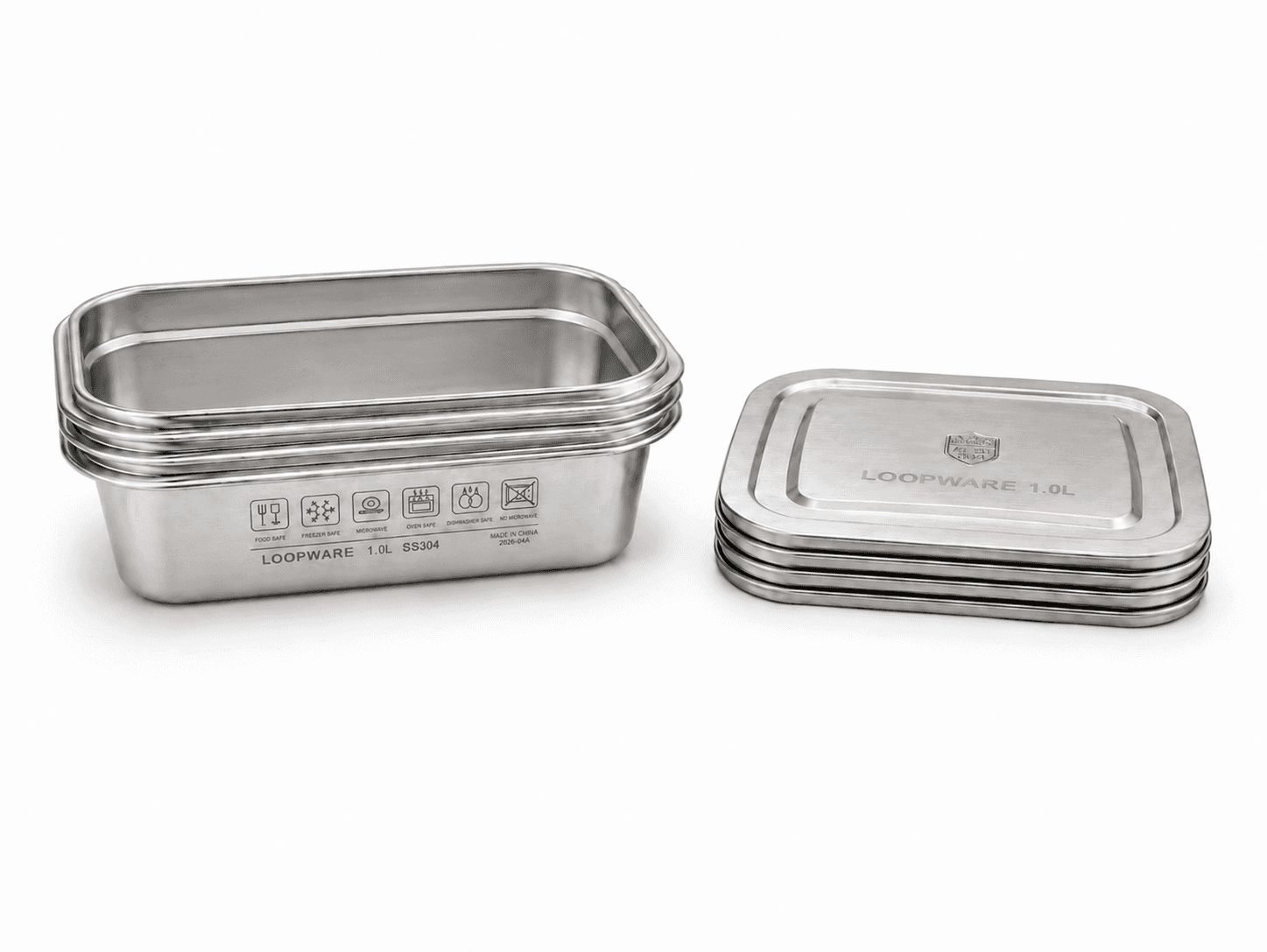
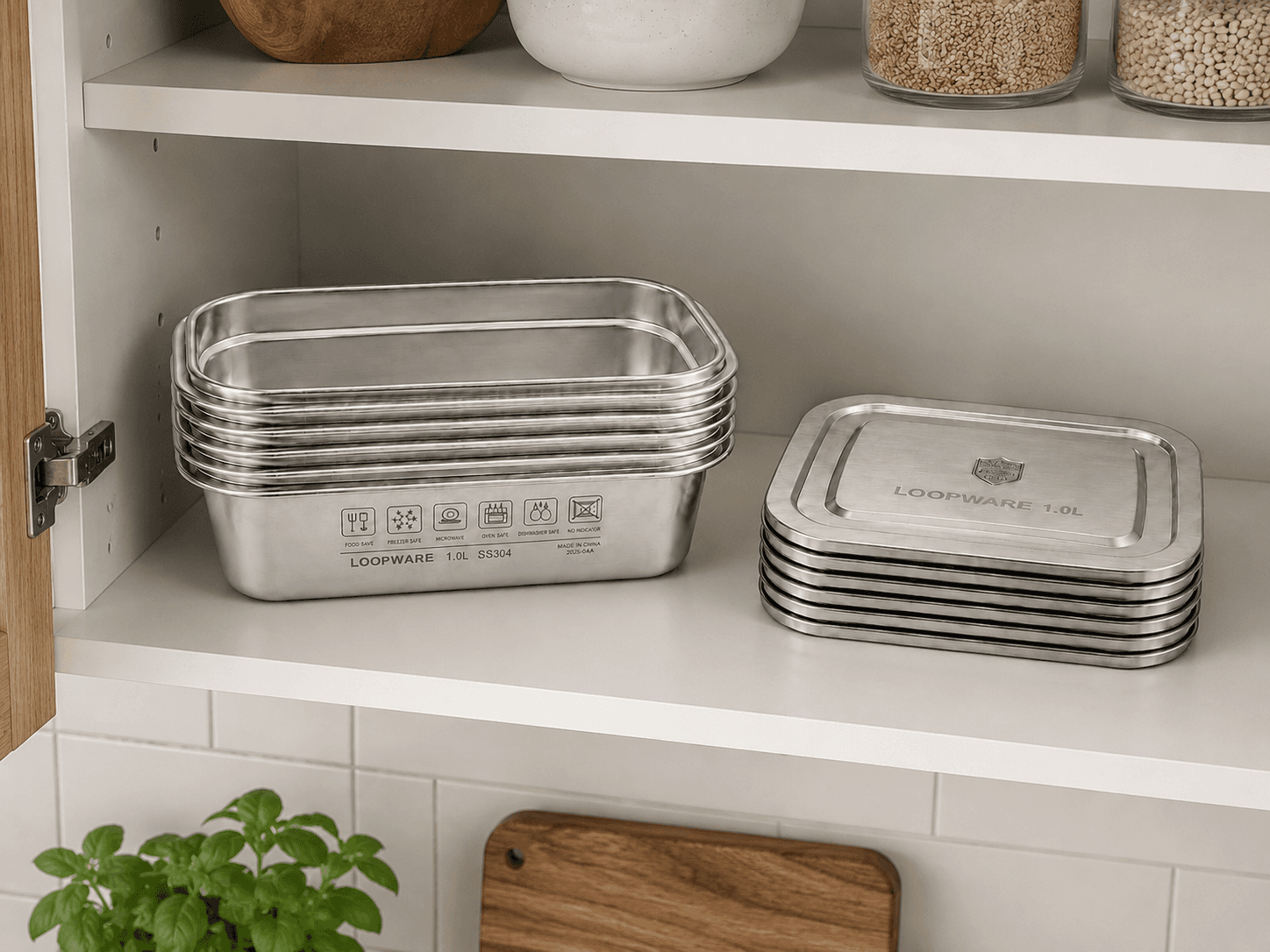
- Brushed finish and same-size nesting design.

At a glance
The spec that makes the argument.
Steel lid, not a gasket
Genuine 304 confirmed
Real measured capacity
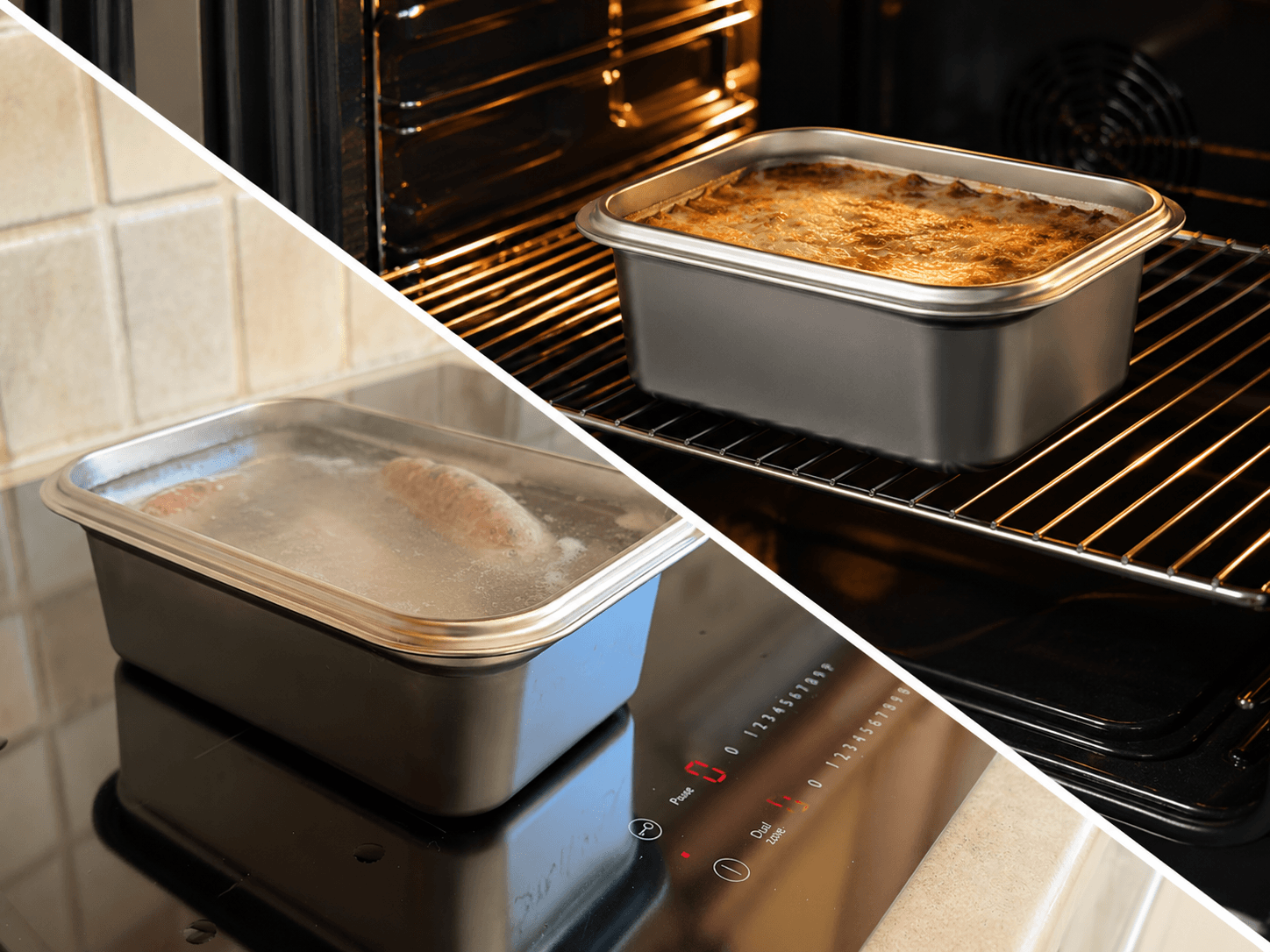
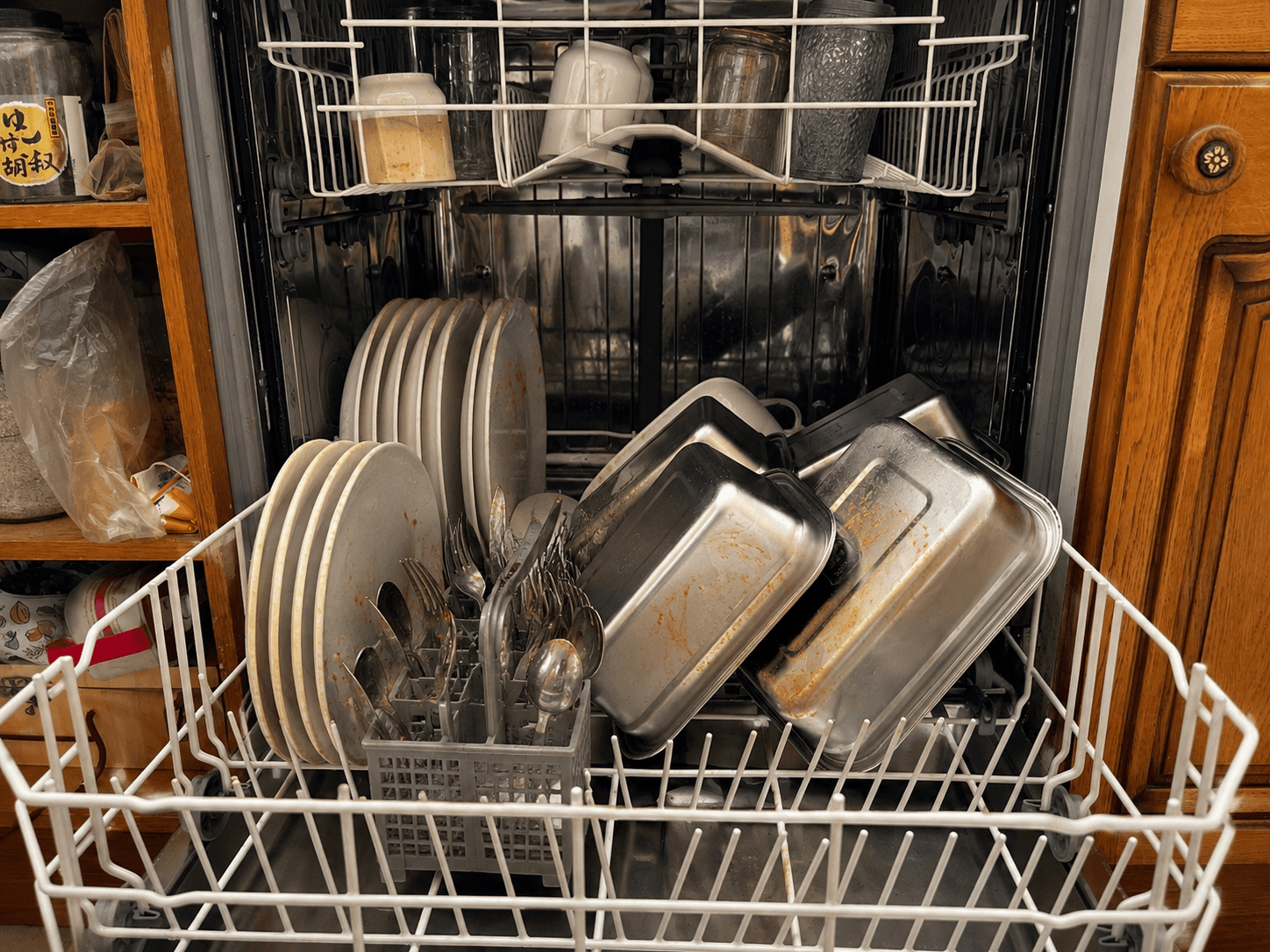
Freezer, hob (gas/electric/induction), oven and dishwasher safe
Proof / why trust this
We had it tested because half the market is lying about the steel.
A lot of containers printed "SS304" are not. They are made from cheaper, lower-grade steel and stamped 304 anyway, and standing in a shop or scrolling a listing, you have no way to tell.
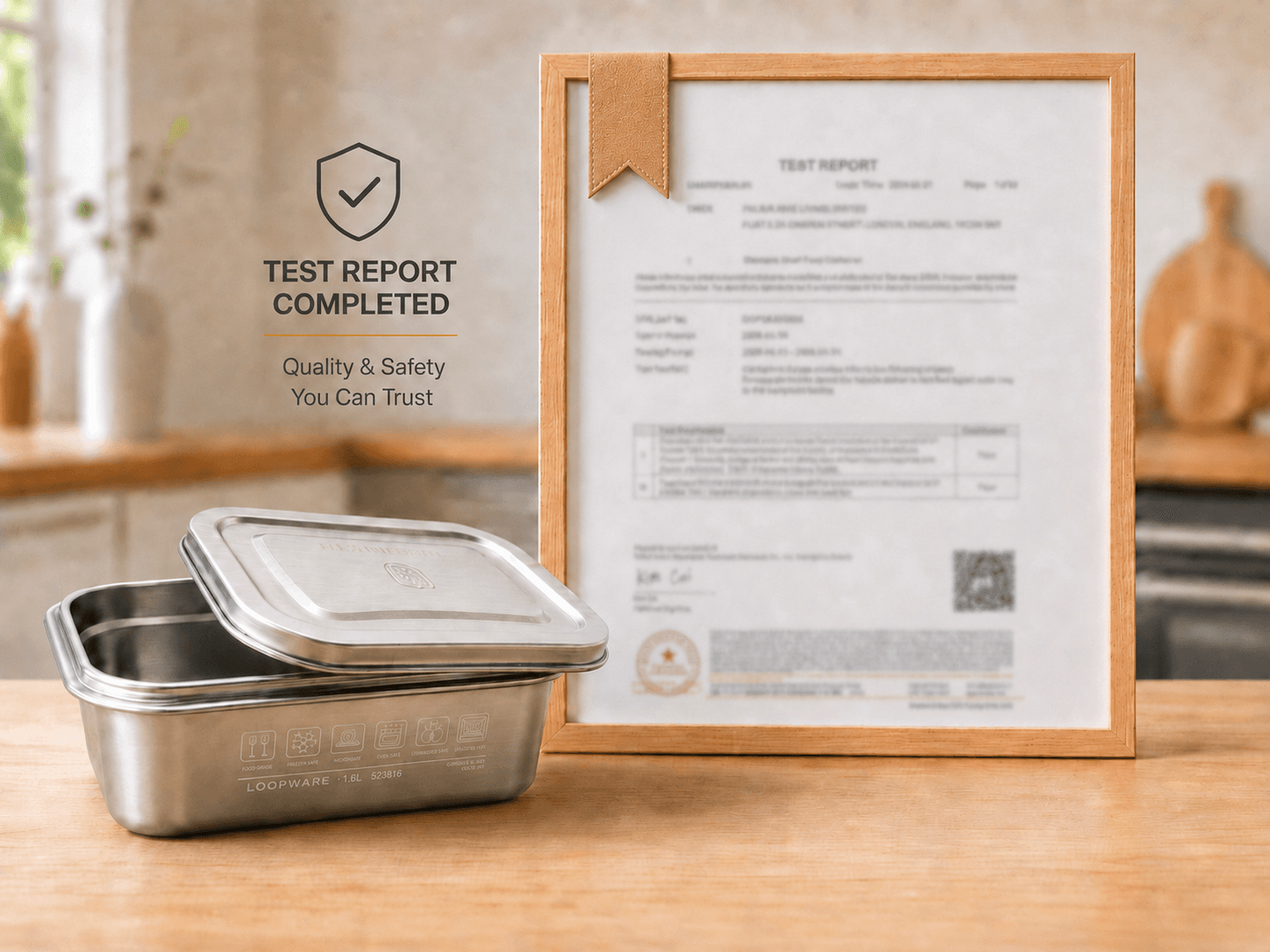
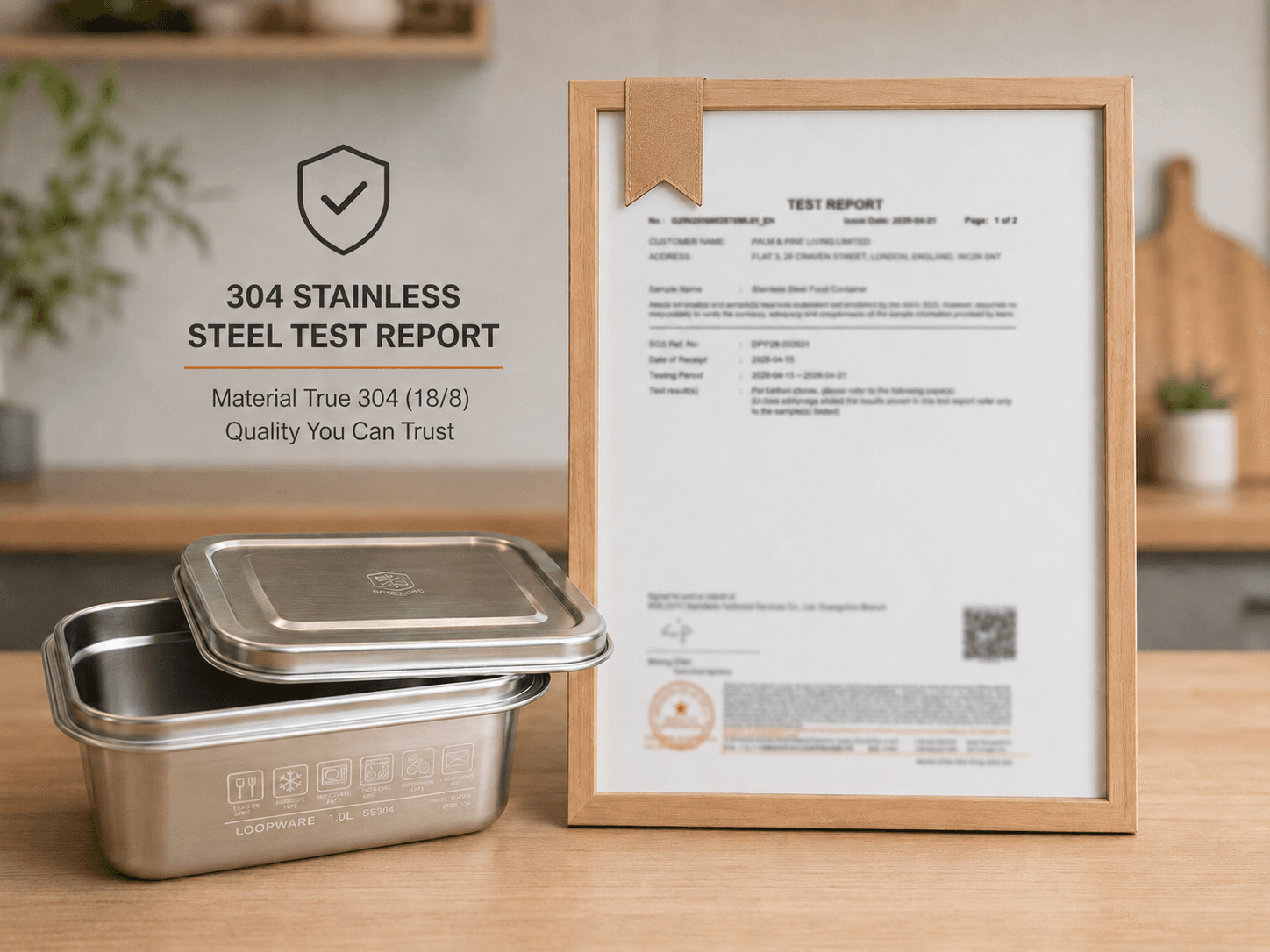
So we sent the finished containers to an independent, accredited third-party laboratory and had them confirm what the steel actually is. It came back genuine AISI 304 (EN 10088-1 1.4301).
Food-contact migration testing came back with heavy metals Not Detected, and the taste-and-smell check found no off taste or odour. Full results are held on file and available to regulators on request.
Heavy-metal migration: Not Detected
Food-contact testing to EC 1935/2004 by an independent, accredited third-party laboratory.
Confirmed genuine 304
Material verified as AISI 304 stainless steel (EN 10088-1, 1.4301).
Results held on file
Full test results available to regulators on request.
Reheat it without dirtying a pan
From the freezer, straight onto the hob
You can take it from the fridge or freezer straight onto the hob, gas, electric or induction, and warm food in the same container you stored it in. No transferring to a separate dish, no extra pan to wash.
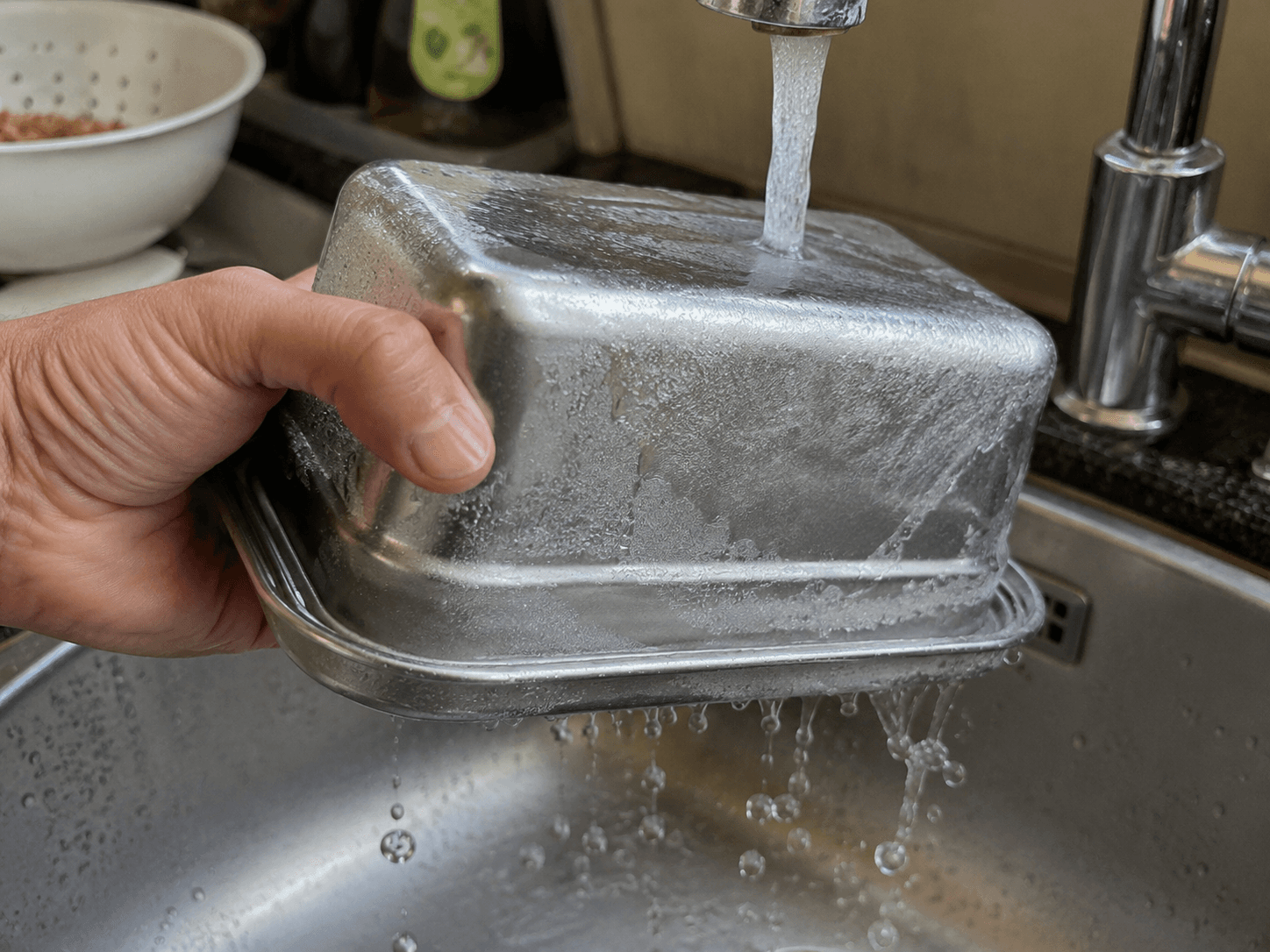
It is freezer, hob (gas/electric/induction), oven and dishwasher safe.
- Medium heat, never high.
- Always add a little water if the food is dry.
- Give it the occasional stir for faster, even warming.

The size on the label is the real size
Measured by water, not flattering maths.
Most containers are sold by a nominal capacity, a figure worked out from the container dimensions, not from how much it actually holds. We measured ours the only honest way: filled to the brim with water and weighed.
Ours holds a true litre to the brim, which is why we call it the 1.0L. By the industry nominal maths the very same container would be sold as a "1.2L", and our 1.6L as an "1.8L."

In use
Shop, portion, freeze.
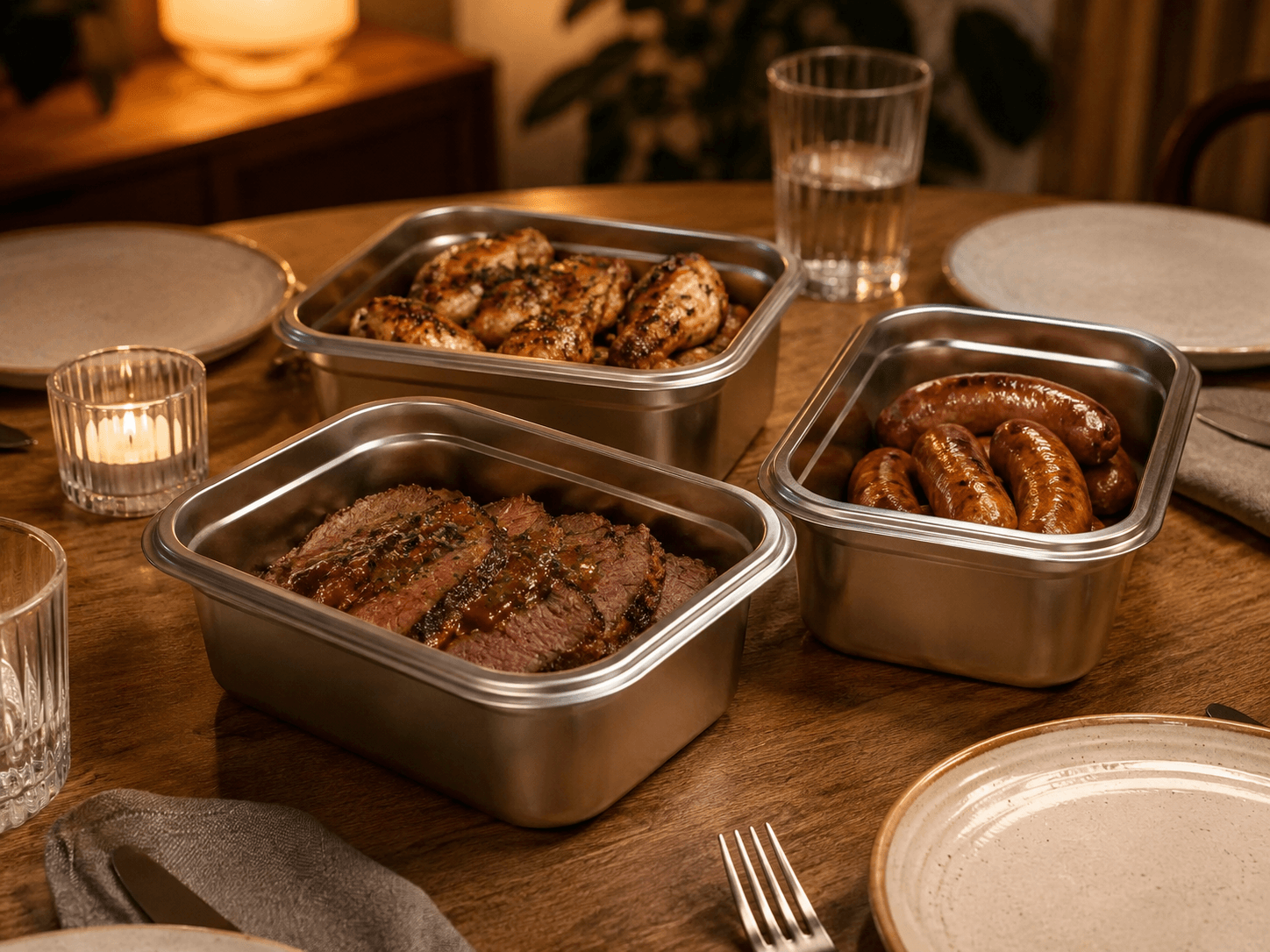
Buy in bulk, portion at home, then freeze directly in steel. When you are ready to use it, the same container can move from freezer to hob, oven, table and dishwasher.
It is the batch-buyer use case the Magic Wand kept pointing towards: fewer transfers, fewer dishes, and no silicone or plastic touching the food.

A choice, and a thing worth knowing
Why it is not microwave-safe.
It is possible to make a stainless container microwave-tolerant, but even when it does not spark, stainless reflects microwaves, so it heats food slowly and unevenly.
That safety also depends on the corners staying perfect. The day the container takes a dent and a sharp edge forms, the sparking risk comes back. Reheat it on the hob or in the oven.
The honest part
Liquids.
Do not carry soup around in it. Jostled in a bag on a commute, it will leak. There is no silicone gasket sealing it shut, and we are not going to pretend it is a spill-proof lunchbox.
At home, though, it is a different story. The friction-fit lid grips well enough for storing a batch of bulk-cooked soup in the fridge or freezer.

Reserve your batch
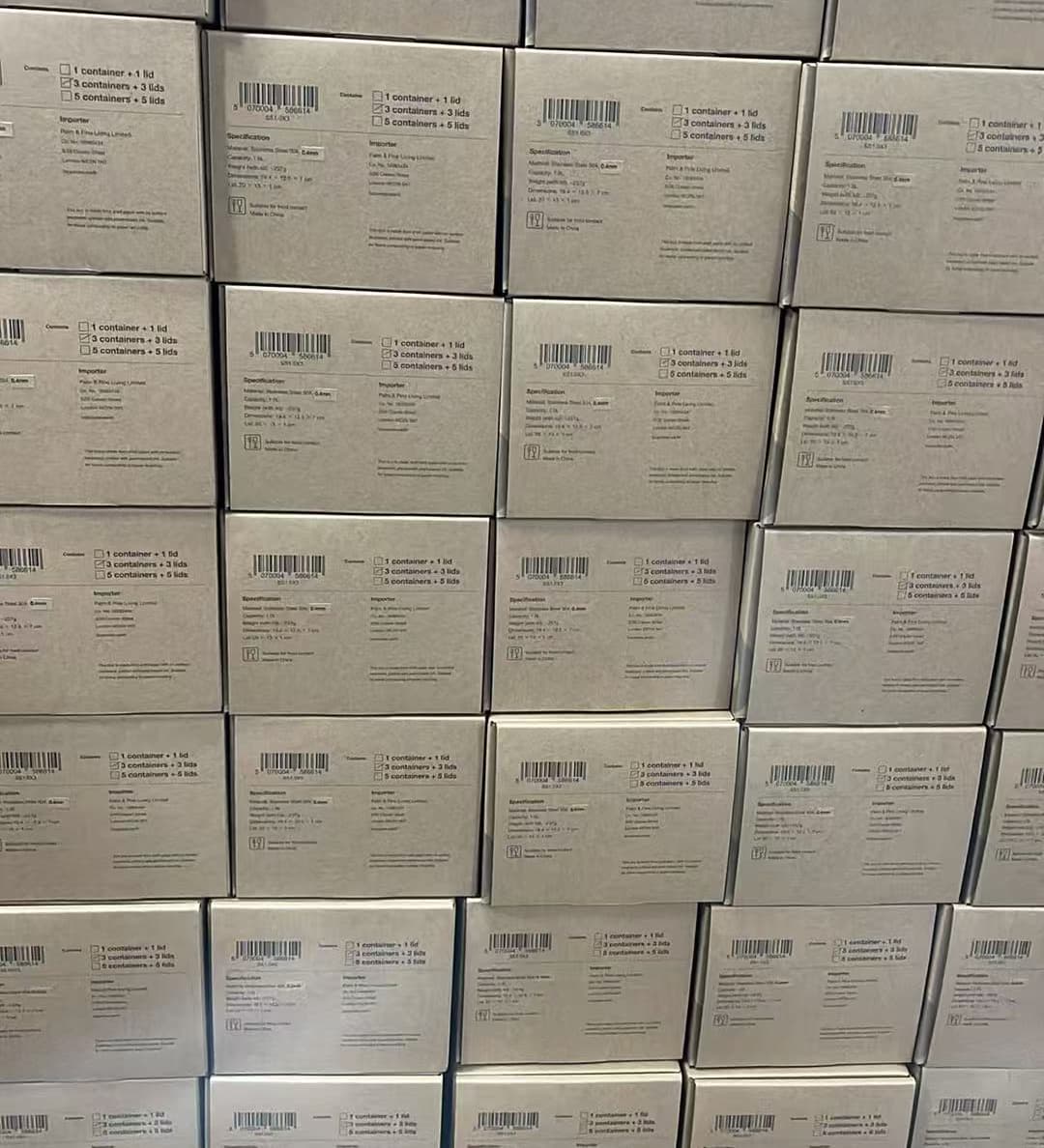
1,200 units. Already in production. Shipping July 2026.
You reserve with a fully refundable £5 deposit that locks the founders price. We charge the balance only just before we dispatch, and the deposit comes back any time before then.


Every size is 304 / 18-8 stainless steel, brushed finish, with the friction-fit steel lid. Freezer, hob (gas/electric/induction), oven and dishwasher safe.
Where the batch is
What your deposit does.
The 1,200 are in production now and ship in July 2026. We made a first batch this size so we can get it into the hands of people who specifically wanted a steel-to-the-lid container.
- NowReserve your founding-batch tier with a £5 refundable deposit.
- In productionThe first 1,200 units are already being made.
- Before dispatchWe confirm final terms and charge the remaining balance.
- July 2026Founding-batch shipping window.
Your deposit tells us how many of each size to build next, and which one people reach for first.
Risks & honest limitations
What this container is, and what it is not.
Do not carry soup in it: the steel friction lid is not a spill-proof travel seal.
Not for microwave use. Reheat on the hob or in the oven, where steel works properly.
Steel conducts heat, so use a cloth or oven glove after hob or oven use.
For long simmering acidic sauces, use a pan; the container is for storing and reheating.
FAQ
Before you reserve.
Is the £5 deposit refundable?
Yes. You can cancel before dispatch.
When is the balance charged?
Before dispatch, after final launch terms are confirmed. The deposit locks the founders price.
Is the lid really steel?
Yes. The body and lid are both 304 stainless steel, with no silicone ring, plastic clip, coating, or glass panel touching food.
Can I carry soup in it?
No. It stores liquid well at home in the fridge or freezer, but it is not a sealed commute lunchbox.
Can I use it in the oven?
Yes, for warming food. It is stainless steel, so use oven gloves and avoid microwave use.
How was it tested?
Our container was tested by an independent, accredited third-party laboratory. The full results are held on file and available to regulators on request.
Sources
We would rather you did not take our word for any of it.
- Liu et al., Food Chemistry (2021): silicone oligomer migration from silicone rubber baking molds to food simulants.
- European Chemicals Agency: D4, D5 and D6 candidate-list status and cyclosiloxane restrictions.
- British Stainless Steel Association: specially designed stainless food containers and microwave tolerance.
- YAN: The Kitchen Problem investigation into what kitchen items are really made of.
Brand
Loopware
Loopware makes products from a single material wherever possible. This first founding batch proves the principle with a container where the lid is steel too.
Not ready to reserve?
Get the shipping update instead.
Leave your email for campaign updates without creating a reservation.